
Are Chatbots Becoming Your Next Lead-Generation Channel?
Chatbots are moving beyond the old website pop-up that asks, “How can I help?” The more useful systems can answer product questions, qualify intent, recommend next steps and hand a conversation to a human when the enquiry becomes commercially meaningful. That makes conversational AI less of a customer-service add-on and more of a potential lead-generation layer.
At Meta Social, we look at conversational AI as part of the conversion journey, not as a replacement for the sales team. The value comes from connecting the conversation to the rest of the funnel — the campaign that created the demand, the information the prospect needs, the qualification questions and the handoff that turns an interested visitor into a genuine opportunity.
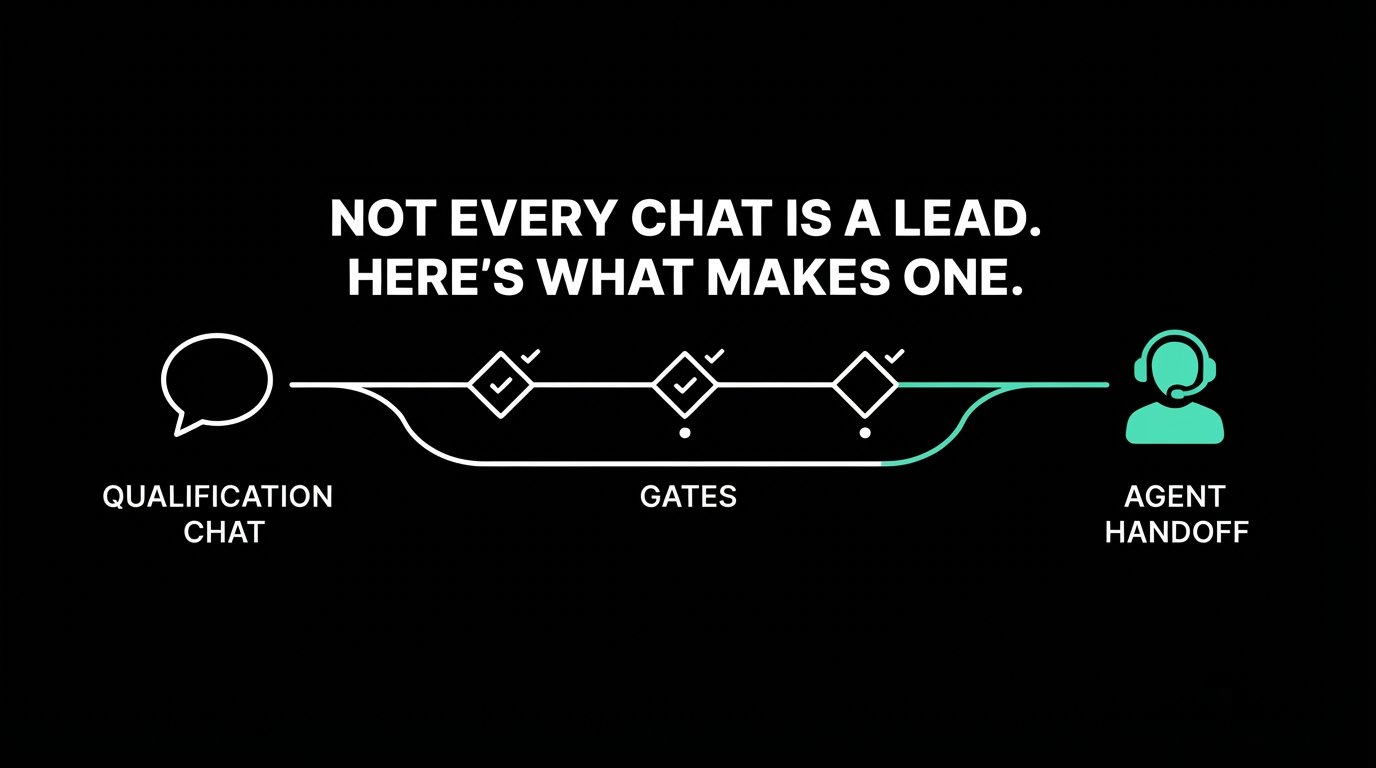
A Chatbot Only Becomes a Lead Channel When It Moves the Customer Forward
Putting a chatbot on a website does not automatically create leads. If the bot can only repeat information already visible on the page, it adds another interface without solving a real customer problem.
The more useful use case is friction removal. A property prospect may want to know which unit type fits a budget. A clinic visitor may want to understand which service is appropriate. A hospitality customer may have questions about dates, room types or amenities. A B2B buyer may want to know whether a service fits their company before agreeing to a sales call.
In each case, the chatbot earns its place by reducing uncertainty. It helps the customer get closer to a decision while collecting the information the business needs to respond intelligently.
For a Meta ads agency running lead-generation campaigns, that creates an important connection: the ad should not promise one experience and the chatbot deliver another. The message, landing page, conversation and handoff need to work as one journey.
The Best Chatbot Is Not the One That Talks the Most
There is a common mistake in conversational AI: measuring success by how many conversations the bot handles. A long conversation can actually be a sign that the system is creating friction.
A commercially useful chatbot should know what it is trying to accomplish. Is the objective to qualify a lead, answer a pre-sales question, book an appointment, recommend a product or route the visitor to the right person? The conversation should be designed around that outcome.
This also changes what businesses should collect. Asking for every possible detail at the beginning can destroy completion rates. Asking one or two useful questions before requesting contact information can create a much smoother handoff.
A Meta Partner should therefore be thinking about the chatbot as part of the conversion architecture, not a standalone AI project. The important question is not ‘Can it have a conversation?’ but ‘Does the conversation produce a better commercial outcome?’
AI Can Qualify Demand — But It Shouldn’t Pretend to Be Sales
The strongest role for conversational AI is often the space between interest and human follow-up. A system can answer repetitive questions, identify basic intent, collect relevant context and route higher-value enquiries to the right team.
That can be particularly useful in markets such as Dubai, where lead-generation journeys often move between paid social, websites, WhatsApp and sales teams. A prospect may not be ready for a phone call, but they may be willing to answer a few questions if those questions help them get a useful answer immediately.
This is where an AI agency Dubai approach should focus on workflow design rather than simply chatbot deployment. The bot needs access to reliable business information, clear qualification rules, escalation paths and a way to pass useful context to the human who takes over.
The same principle applies to discovery. If customers are increasingly asking AI systems questions before they contact a business, the information used in those answers needs to be accurate and consistent with the website, campaigns and sales process.
What Brands Should Build Before Adding a Chatbot
The technology is rarely the hardest part. The harder question is deciding what the chatbot should actually do.
- Define one or two commercial jobs for the chatbot instead of trying to make it handle everything.
- Map the questions customers ask before they become qualified leads and build the conversation around those friction points.
- Give the system a controlled source of accurate product, service, pricing and policy information.
- Create clear rules for when the bot should stop, escalate or hand the conversation to a human.
- Connect conversations to CRM and campaign data so the business can measure qualified leads and downstream outcomes, not just chat volume.
That is where GEO agency thinking can help as well: the information a chatbot uses should be structured, consistent and useful enough to survive across different discovery surfaces, not just written for one website widget.
And for Performance marketing, the final test is simple: does the chatbot improve the economics of acquiring and converting a customer? If it creates more conversations but no better-qualified opportunities, the business has automated activity rather than improved performance.
FAQs
Usually, no. Its strongest role is handling repetitive questions, qualifying basic intent and making the handoff more informed. High-value or complex enquiries still benefit from human judgement.
Only what is useful for the next step. The questions should reflect the business’s qualification process and avoid turning the first interaction into a long form disguised as a conversation.
No. If the customer journey is simple, the website or form may already be enough. A chatbot is most useful where customers have recurring questions, meaningful uncertainty or a need for guided qualification.
Measure qualified conversations, booked appointments, sales opportunities and revenue where possible. Chat volume and conversation length are secondary metrics.
Key Takeaways
- A chatbot becomes a lead channel when it reduces customer friction and moves people toward a meaningful next step.
- Conversation volume is not the same as lead quality; the workflow should be designed around a commercial outcome.
- AI is strongest between initial interest and human follow-up when it can answer questions, qualify intent and pass useful context to sales.
- Connect chatbot data to CRM and campaign data so the business can measure whether automation actually improves acquisition and conversion.
Meta Social — Dubai’s #1 Performance Marketing Agency
Meta Social connects paid media, conversational AI and conversion systems to help UAE brands turn more enquiries into qualified opportunities — without automating the human part of selling.
Performance Marketing | SEO & GEO | AI Creatives & Video | Attribution Architecture
metasocial.ae | Dubai, UAE
About Meta Social
Meta Social is Dubai’s leading performance marketing agency and the GCC’s AI-native growth partner. We specialise in Performance Marketing, SEO & GEO, AI Creatives & Video, and Attribution Architecture — managing AED 50M+ in paid media across real estate, fintech, e-commerce, and hospitality.
metasocial.ae | Dubai, UAE